
%20(2).svg)
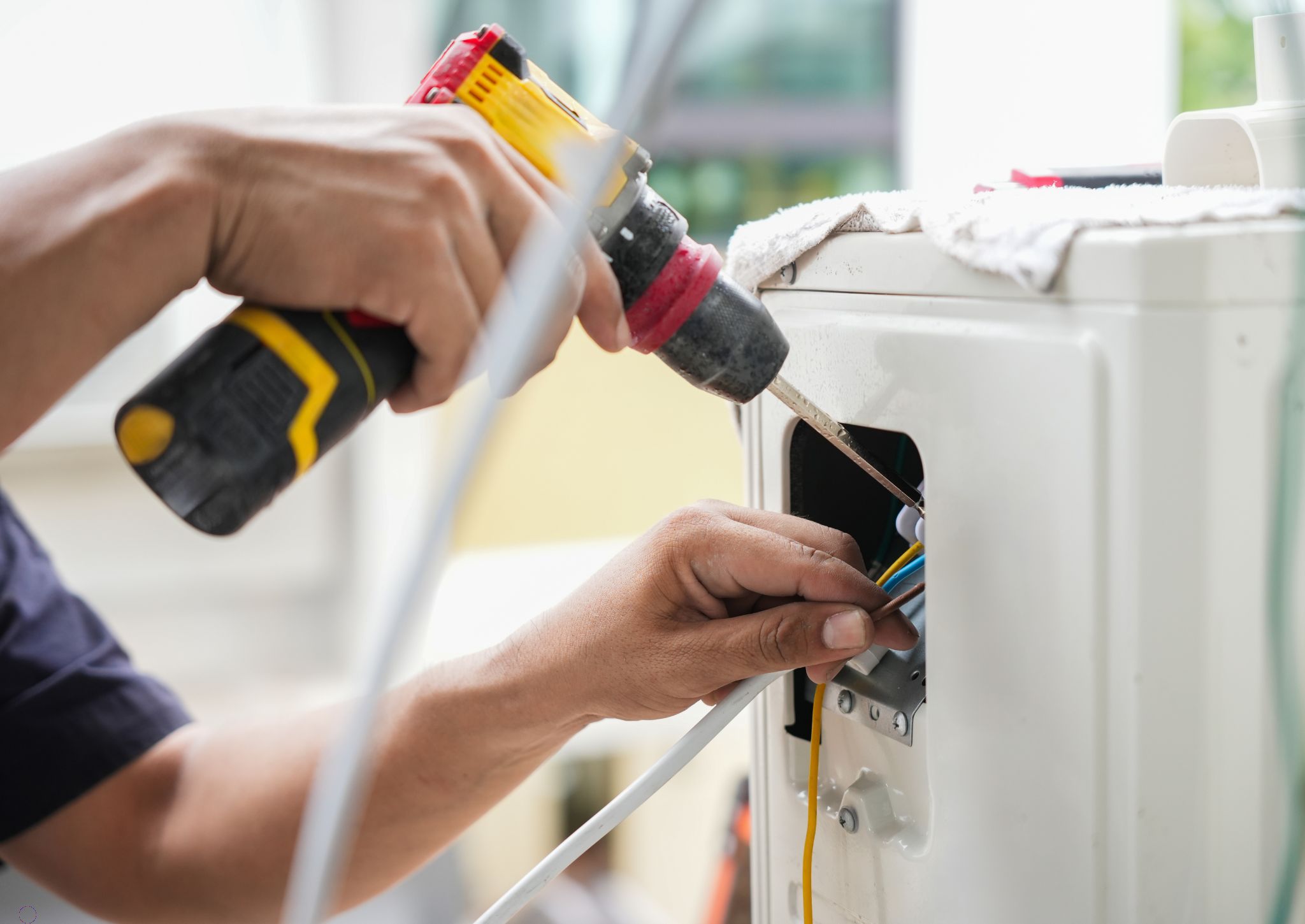
Signs Your AC Needs Repair in Plano, TX: What to Look For
Living in Plano, TX means your air conditioner isn’t a luxury—it’s a necessity. When summer temperatures rise, even minor AC issues can quickly turn into uncomfortable (and expensive) problems. Knowing the early warning signs your AC needs repair can help you avoid sudden breakdowns, high energy bills, and emergency service calls during peak heat.
At DT Air Conditioning & Heating, we help homeowners throughout Plano recognize problems early and get reliable, professional AC repair before small issues become major failures.
How Do You Know If Your AC Needs Repair?
Common signs your AC needs repair include weak airflow, warm air blowing from vents, unusual noises, frequent cycling, higher energy bills, and uneven cooling throughout your home. If you notice any of these issues in Plano, TX, it’s best to schedule professional AC repair before the system fails completely.
Why Catching AC Problems Early Matters in Plano, TX
Plano’s long cooling season puts constant demand on your air conditioning system. Ignoring early symptoms can lead to:
- Reduced system efficiency
- Higher monthly utility bills
- Poor indoor comfort and humidity control
- Premature system replacement
- Costly emergency AC repairs
Prompt service helps address common AC problems, extend the life of your system, and keep your home comfortable when you need it most.


Common Signs Your AC Needs Repair in Plano, TX
Weak or Limited Airflow From Vents
If your AC is running but airflow feels weak, something isn’t right. Reduced airflow often points to:
- Clogged air filters
- Blower motor issues
- Ductwork leaks or blockages
- Failing compressor components
Weak airflow makes it harder for your system to cool your home evenly, causing it to run longer and work harder.
Warm Air Coming From the Vents
An AC system that blows warm or room-temperature air instead of cool air usually signals a serious issue, such as:
- Refrigerant leaks or low refrigerant levels
- Frozen evaporator coils
- Compressor failure
- Electrical or thermostat problems
If your AC isn’t producing cold air, professional AC repair in Plano, TX is needed immediately to prevent further damage.
Unusual Noises During Operation
Air conditioners should operate relatively quietly. Strange sounds are often warning signs of mechanical trouble.
Listen for:
- Grinding or screeching – possible motor or bearing issues
- Banging or clanking – loose or broken internal components
- Hissing – potential refrigerant leak
- Buzzing – electrical problems or failing parts
Unusual noises rarely fix themselves and should never be ignored.
AC System Turning On and Off Frequently
Short cycling occurs when your AC turns on and off more often than it should. This problem can be caused by:
- Faulty thermostats
- Dirty condenser coils
- Refrigerant issues
- Improper system sizing
Short cycling increases wear on components and drives up energy costs while reducing comfort.
Rising Energy Bills With No Change in Usage
If your cooling habits haven’t changed but your electric bills keep climbing, your AC system may be losing efficiency. Common causes include:
- Aging or failing components
- Dirty coils or filters
- Refrigerant problems
- Electrical inefficiencies
An AC system struggling to cool your home consumes more energy to do the same job.
Uneven Cooling Throughout Your Home
Hot and cold spots are a clear sign your system isn’t distributing air properly. You may notice:
- One room staying warm while others are cold
- Poor airflow on upper floors
- Inconsistent temperatures throughout the house
This often points to ductwork issues, failing blowers, or system performance problems that require professional diagnosis.
Frequently Asked Questions
How do I know if my AC needs repair?
Common signs that your AC may need professional repair include weak airflow, warm air from the vents, unusual noises, frequent cycling, rising energy bills, and uneven cooling. Addressing these symptoms early can help prevent more serious damage and unexpected breakdowns.
Why is my AC running but not cooling my home?
An AC that runs without effectively cooling your home may have a refrigerant issue, frozen evaporator coil, compressor problem, thermostat malfunction, or restricted airflow. A professional HVAC technician can diagnose the cause and recommend the appropriate repair.
Why is my AC turning on and off frequently?
Frequent cycling, also known as short cycling, can result from a faulty thermostat, dirty condenser coils, refrigerant problems, or improper system sizing. Because short cycling puts additional wear on your system, it's best to have the issue professionally diagnosed.
Can high energy bills be a sign that my AC needs repair?
Yes. If your energy usage has not changed but your cooling costs continue to increase, your AC may be losing efficiency because of aging components, dirty coils or filters, refrigerant problems, or other mechanical issues. A professional inspection can help identify the cause.
Should I repair my AC or replace it?
The right choice depends on the age and condition of your system, the frequency of repairs, and the cost of the needed repair. If your AC is older, requires frequent repairs, or has a major component failure, replacement may be more cost-effective. A professional evaluation can help you compare your options.