
%20(2).svg)

Ductless Mini Split Installation in Plano, TX
The Benefits of Ductless Mini Splits for Plano Homes
We understand that every home has unique heating and cooling needs. Ductless mini split systems offer a range of advantages, making them one of the most popular options for Plano homeowners. These systems:
- Provide zoned comfort, allowing you to control temperatures in specific areas.
- Eliminate the need for extensive ductwork, reducing installation time and costs.
- Deliver exceptional energy efficiency by avoiding the energy losses common with ducts.
- Operate quietly, ensuring comfort without the noise of traditional systems.
- Improve air quality with advanced filtration features.
If you’re looking for a solution that combines performance, efficiency, and flexibility, a ductless mini split system is an investment worth considering.


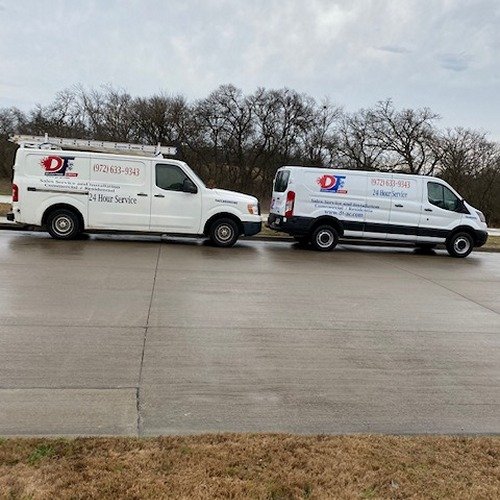

Our Ductless Mini Split Installation Process
At DT Air Conditioning & Heating, we take pride in delivering top-notch service. Our installation process is thorough and designed to ensure your ductless mini split system functions perfectly from the start.
- Comprehensive Evaluation: We assess your home’s layout and cooling requirements to recommend the ideal system for your needs.
- Expert Installation: Our skilled technicians handle every aspect of the installation, ensuring the system is placed and connected for optimal performance.
- Detailed Testing: After installation, we test the system thoroughly to confirm it operates efficiently and meets our high standards.
- Customer Support: We take the time to explain your new system’s features, so you’re confident and comfortable with its operation.
Our attention to detail and commitment to excellence means your ductless mini split system will provide reliable comfort for years to come.
Why Choose DT Air Conditioning & Heating?
We at DT Air Conditioning & Heating have built a reputation for quality and reliability. When you work with us, you’re choosing a team that prioritizes your comfort and satisfaction. Our years of experience, combined with a dedication to providing the best solutions for your home, make us a trusted partner for ductless mini split installations in Plano, TX.
Our customers choose us because:
- Our team offers personalized recommendations to match your home’s specific needs.
- We work with leading brands to provide high-performance, reliable systems.
- Transparent pricing ensures there are no surprises.
- We deliver timely and professional service, respecting your time and home.