
%20(2).svg)

Mini Split Installation in Allen, TX
DT Air Conditioning & Heating has served Allen, TX, homeowners for 25 years with personalized comfort. Our seasoned technicians apply utmost detail during installation, so the system runs perfectly from jobs done on day one. We are fast and dependable and guarantee satisfaction with your comfort in our business.
Why People Choose Mini-Splits
Very often, homeowners call us wanting to have better control of the temperature of certain areas in the house. It could be that the upstairs is super hot, and the sunroom is frozen with the winter chill. That is where ductless mini-split systems come into play. They are energy efficient, quiet, and designed to control the temperature in small rooms or zones.
Consider it a tremendous mini-split space for:
- Converted garages or attics
- Bonus rooms, additions, or guest suites
- Home offices or workout spaces
- Homes without any ducting
The great thing about being able to control each unit individually is that no energy will be wasted in spaces you are not using. Plus, with inverter-driven compressors, mini splits maintain a more constant temperature, which is comfortable for you while not requiring frequent cycling on and off.
Rapid and Reliable Installation Service
Here at DT Air Conditioning & Heating, we strive to get your system up and running as soon as possible. We value rapid service scheduling and efficiency in completing each installation without compromising quality. Arriving on the scheduled day, we respect your home and ensure everything is done correctly.
From evaluating your space to selecting the correct unit size, our team will guide you through every option and answer every question along the way. We aim to make your journey from your first call through to final system testing as easy and stress-free as possible.
Professional Mini Split Installation for Maximum Performance
A ductless mini-split system performs best when it is installed in the right location and properly configured for your home's layout. Indoor unit placement, outdoor condenser positioning, and refrigerant line installation all play an important role in maximizing comfort and efficiency. At DT Air Conditioning & Heating, we carefully evaluate your space to determine the ideal installation setup, helping your new system deliver even temperatures, quiet operation, and reliable year-round performance.
Every home has unique heating and cooling needs, which is why we never take a one-size-fits-all approach. Whether you're installing a single-zone system for a home office or a multi-zone system for multiple rooms, our experienced technicians ensure every component is installed according to manufacturer specifications. This attention to detail helps improve system performance, reduce unnecessary wear, and provide dependable comfort for years to come.

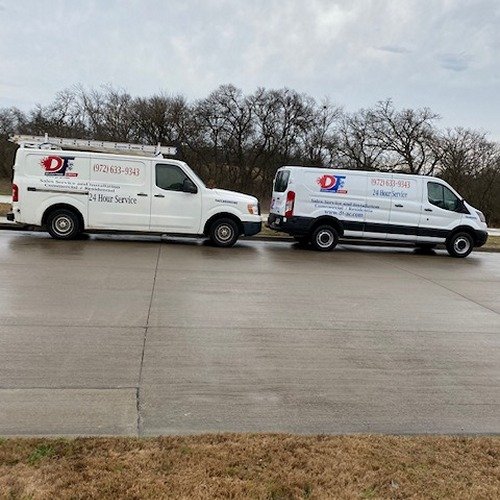

Our Technicians Are Expert Hiring Specialists
- The mini-split installation is not a one-size-fits-all service. It takes experience, training, and attention to detail. This is the rationale behind instilling continuous training in our technicians and ensuring every team member feels confident working with the most preferred brands of mini-splits on the market.
- Our team handles every aspect of the job, from mounting the indoor air handler to installing the outdoor compressor and running all the necessary lines and wiring. We even instruct you on how to use your new system so that you can get the most value out of it from day one.
- When you partner with us, you are not just getting a speedy installation but investing in professional, lasting workmanship with our promise that the job will be done right.
- More than 25 years of HVAC service locally
- We have served homeowners throughout Allen and surrounding areas for the last two decades. Such experience matters a lot, especially in the installation of the right system for a home, depending on its layout, square footage, and climate needs. Our team members have learned through experimentation what works and doesn't, enabling informed recommendations guided by real-world results.
- We've built a reputation around honest advice and professional reliability. Our team cares about you. By choosing DT Air Conditioning & Heating, you're paying for more than a quick install; you're investing in quality service from someone in your community.
Enjoy Flexible Comfort Without Expensive Renovations
Mini-split systems are an excellent solution for homeowners who want to improve comfort without the expense and disruption of installing ductwork. They are ideal for room additions, converted garages, sunrooms, workshops, guest suites, and older homes where extending existing ducts may not be practical. Because each indoor unit operates independently, you can customize temperatures in different areas of your home while avoiding energy waste in unused rooms.
When you choose DT Air Conditioning & Heating for your mini-split installation in Allen, TX, you'll receive professional guidance from system selection through final testing. We take the time to answer your questions, explain how your new system operates, and verify that everything is functioning properly before the installation is complete. We can also help you explore indoor air quality services to support a cleaner, more comfortable indoor environment. Our goal is to provide an efficient installation experience and lasting comfort you can count on throughout every season.
Frequently Asked Questions
1. What rooms are best suited for a mini-split system?
Mini-splits work well in home additions, garages, attics, home offices, guest rooms, sunrooms, workshops, and older homes without existing ductwork. They are also a great option for rooms that are difficult to keep comfortable with a central HVAC system.
2. Can a mini-split provide both heating and cooling?
Yes. Most modern ductless mini-split systems provide both heating and cooling, allowing you to maintain comfortable indoor temperatures throughout the year using a single system.
3. How many indoor units can be connected to one outdoor unit?
The number depends on the specific mini-split system and its capacity. Some systems support a single indoor unit, while multi-zone models can connect several indoor units to one outdoor condenser.
4. Are mini-split systems energy efficient?
Yes. Mini-splits are designed to deliver conditioned air directly into individual rooms, reducing energy loss associated with ductwork and allowing homeowners to heat or cool only the spaces they are using.
5. Do mini-split systems require regular maintenance?
Yes. Routine maintenance, including cleaning filters, inspecting components, and scheduling professional tune-ups, helps maintain efficiency, improve indoor air quality, and extend the lifespan of your mini-split system.