
%20(2).svg)
The Importance of Regular AC Maintenance in Plano, TX
When the Texas heat settles into Plano, your air conditioner becomes one of the most important systems in your home. Yet many homeowners don’t think about their AC until something goes wrong—often on the hottest day of the year. Regular air conditioning maintenance isn’t just about preventing breakdowns; it’s about protecting comfort, controlling energy costs, and extending the life of your system.
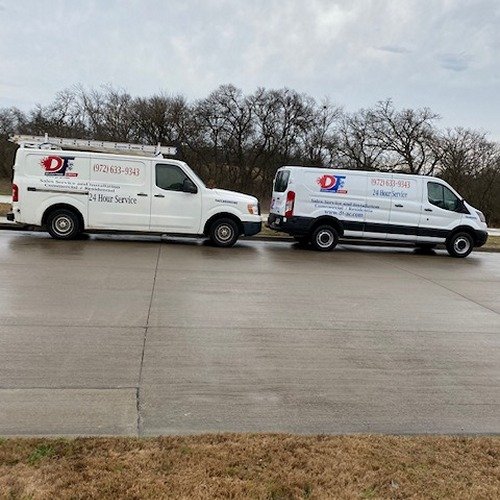
At DT Air Conditioning & Heating, we help homeowners understand the importance of regular AC maintenance in Plano, TX and how routine service can make a measurable difference in performance, reliability, and long-term savings.
Why Is Regular AC Maintenance Important in Plano, TX?
Regular AC maintenance in Plano, TX helps prevent unexpected breakdowns, improves energy efficiency, extends system lifespan, and ensures consistent cooling during extreme summer heat. Professional maintenance also identifies small issues early, reducing repair costs and improving indoor comfort.
Why AC Maintenance Matters More in Plano, TX
Plano’s long, hot summers place sustained demand on air conditioning systems. Without routine maintenance, even well-built units can lose efficiency and develop avoidable problems.
Local conditions that increase the need for maintenance include:
- Extended cooling seasons with high runtime
- High outdoor temperatures stressing compressors and motors
- Dust and debris affecting coils and airflow
- Humidity that challenges moisture removal
Regular maintenance prepares your system to handle these conditions reliably.
Prevent Unexpected AC Breakdowns
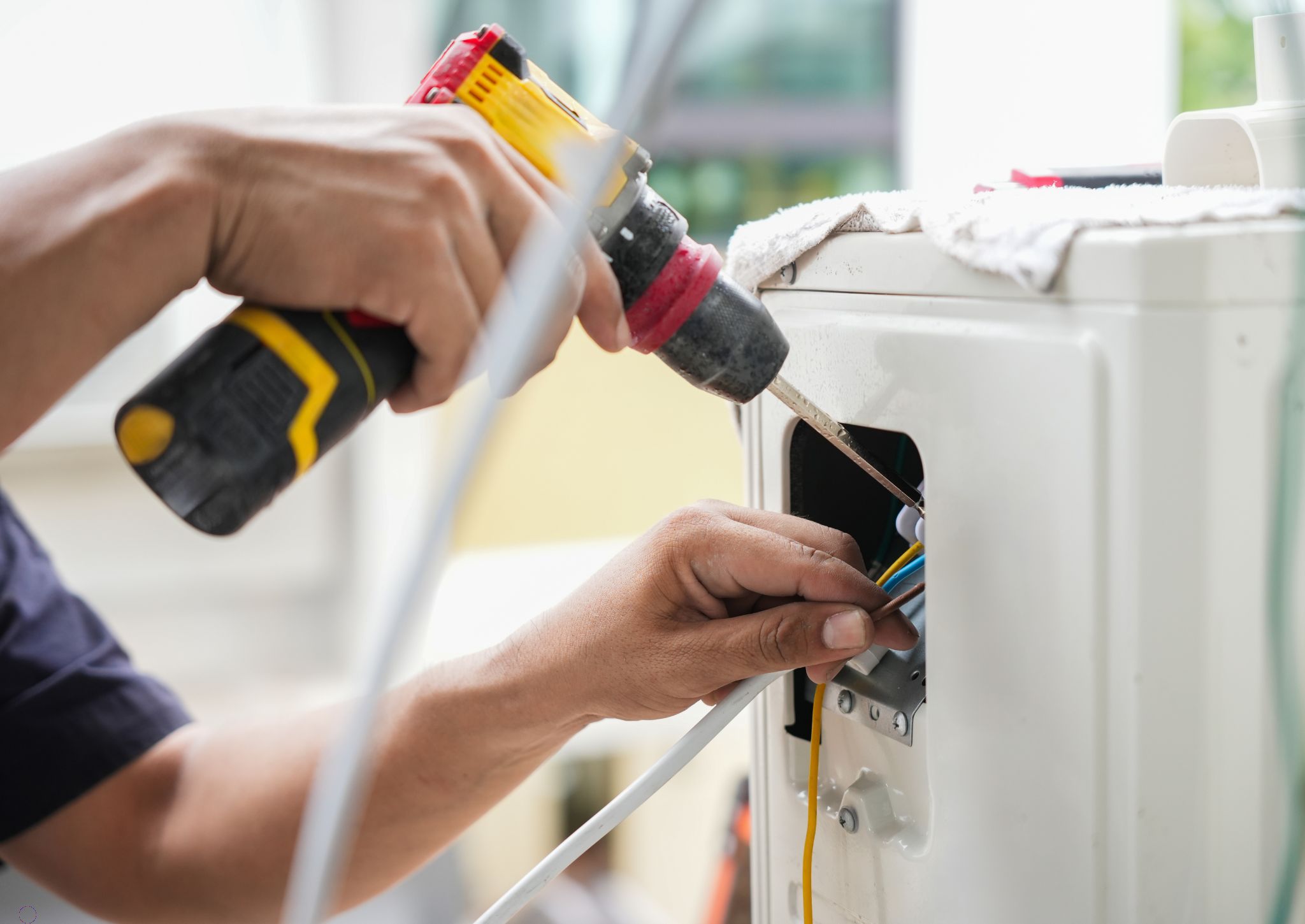
Regular air conditioning maintenance can help identify small issues before they develop into major system problems. During a professional tune-up, an HVAC technician can inspect important components such as the electrical connections, refrigerant system, condensate drain, blower assembly, and other parts that affect cooling performance. Catching worn or malfunctioning components early can help reduce the likelihood of an unexpected breakdown, especially during the hot Plano, TX, summer months when your AC system may run for extended periods.
Improve Indoor Comfort and Airflow
A well-maintained air conditioner can provide more consistent cooling throughout your home. Dirty filters, restricted airflow, clogged coils, and other maintenance issues can make it harder for an AC system to distribute conditioned air effectively. Regular maintenance helps keep the system operating properly while supporting balanced airflow and more consistent indoor temperatures. This can be especially beneficial for homeowners who notice hot or cold spots, weak airflow, or longer cooling cycles.


What Is AC Maintenance?
AC maintenance is a scheduled professional service designed to keep your system operating safely and efficiently. During a maintenance visit, our technicians inspect, clean, test, and fine-tune key components to ensure proper operation.
Typical maintenance includes:
- Air filter inspection or replacement
- Cleaning condenser and evaporator coils
- Checking refrigerant levels and pressures
- Inspecting electrical connections
- Testing thermostat calibration
- Inspecting drain lines and pans
- Verifying airflow and system performance
Support Better AC Performance in Plano, TX
The demanding summer climate in Plano can put significant strain on residential air conditioning systems. Scheduling regular AC maintenance gives a professional an opportunity to clean, inspect, and adjust the system before heavy cooling demand arrives. In addition to helping maintain reliable operation, routine service can help identify changes in system performance that may otherwise go unnoticed. Keeping up with preventive maintenance can help your air conditioner remain dependable and ready to handle the demands of another cooling season.
Frequently Asked Questions
1. Why is regular AC maintenance important?
Regular AC maintenance helps keep important components clean, inspected, and operating properly. It can also help identify developing problems before they lead to reduced cooling performance or an unexpected breakdown.
2. How often should an air conditioner receive maintenance?
Most residential AC systems benefit from professional maintenance at least once a year. Scheduling service before the cooling season can help ensure the system is prepared for increased use during the warmer months.
3. What does an AC maintenance service typically include?
A professional maintenance visit may include inspecting electrical connections, checking refrigerant levels, cleaning coils, examining the condensate drain, checking airflow, inspecting moving components, and testing overall system operation.
4. Can AC maintenance improve indoor comfort?
Yes. Routine maintenance can help address issues that contribute to weak airflow, inconsistent cooling, and longer operating cycles. Keeping the system properly maintained can support more consistent temperatures throughout the home.
5. What are the signs that my AC needs maintenance?
Common signs include unusual noises, weak airflow, uneven cooling, longer cooling cycles, frequent cycling, unpleasant odors, and reduced overall performance. If you notice these symptoms, scheduling a professional inspection can help determine whether maintenance or repairs are needed.