
%20(2).svg)
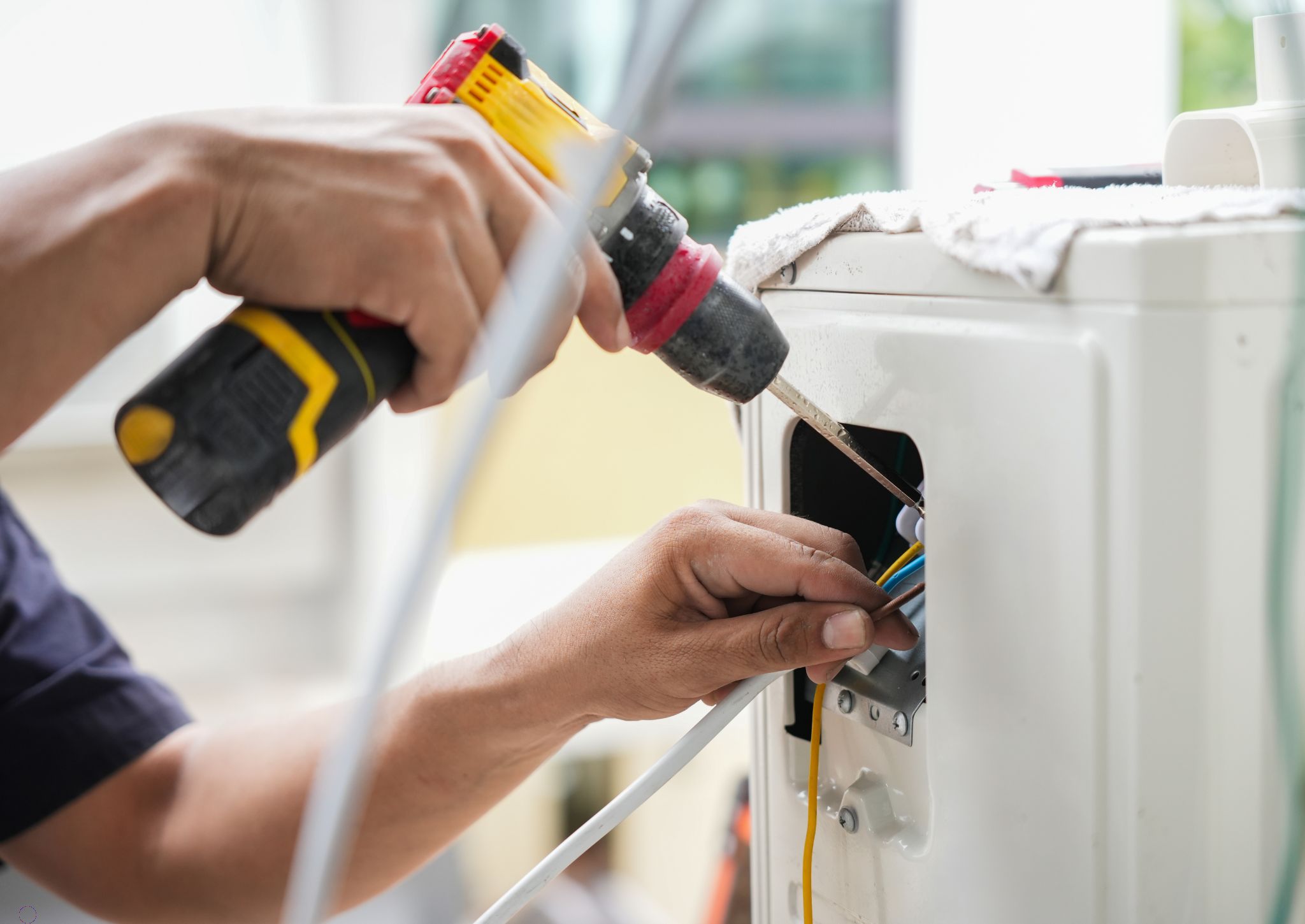
How to Troubleshoot Common AC Problems in Plano, TX
When your AC acts up in Plano, TX, it rarely picks a convenient time. One day it’s keeping the house comfortable, and the next you’re dealing with warm air, weak airflow, or a system that won’t turn on at all. The good news: many common air conditioning issues have clear warning signs—and a few safe checks can help you understand what’s happening before you call for service.
At DT Air Conditioning & Heating, we believe an informed homeowner makes faster, better decisions. Below is a practical guide to how to troubleshoot common AC problems in Plano, TX—with clear “what to check” steps, what not to do, and when it’s time to call our team for professional help.
How to Troubleshoot Common AC Problems in Plano, TX
To troubleshoot common AC problems in Plano, TX, start by checking thermostat settings, replacing the air filter, confirming power at the breaker/disconnect, and inspecting the outdoor unit for debris or ice. If the system still blows warm air, short-cycles, leaks water, or shows signs of a refrigerant issue, schedule professional AC repair to prevent further damage.
Start Here: A Quick, Safe AC Troubleshooting Checklist
Before digging into specific symptoms, run through these safe, high-impact checks:
- Thermostat: Set to Cool, temperature set below current room temp, fan set to Auto.
- Air filter: Replace if dirty (a clogged filter can cause airflow problems and even coil freeze-ups).
- Breaker & disconnect: Check the breaker panel and the outdoor disconnect for tripped power.
- Outdoor unit: Clear leaves/grass clippings; make sure airflow isn’t blocked.
- Vents & returns: Make sure supply vents are open and returns aren’t blocked by furniture or rugs.
If you still need help, our ac repair in Plano, TX page explains how we diagnose and fix these issues quickly.
Recognize Signs of AC Performance Problems
Some AC problems are easy to overlook until they begin affecting your home's comfort. Uneven cooling, unusual noises, weak airflow, frequent cycling, or longer cooling times can indicate that your system is not operating properly. Paying attention to these warning signs can help you identify potential problems early and determine when professional troubleshooting may be necessary.
Simple checks such as inspecting the air filter, confirming thermostat settings, and making sure vents and outdoor equipment are unobstructed can sometimes resolve minor issues. However, problems involving electrical components, refrigerant, frozen coils, or repeated breaker trips should be handled by a qualified HVAC professional. Avoiding unnecessary DIY repairs can help prevent additional damage and improve safety.


AC Not Turning On in Plano, TX
Check the Thermostat First
This sounds basic, but it’s one of the most common causes of “no cooling.”
What to check:
- Thermostat is on Cool
- Setpoint is 3–5 degrees below indoor temperature
- Replace thermostat batteries (if applicable)
- Make sure the display is powered and responsive
If settings look right and it still won’t start, move on to power checks.
Check Breakers and Power Supply
A tripped breaker can shut down part (or all) of the system.
What to check safely:
- Breaker for the AC/condensing unit and air handler/furnace
- Outdoor disconnect near the condenser
If a breaker trips repeatedly, stop resetting it and call us—repeated trips can signal an electrical or component issue.
Know When to Schedule Professional AC Service
While basic troubleshooting can help narrow down the cause of an AC problem, some issues require professional diagnosis and repair. If your system continues blowing warm air, repeatedly shuts off and restarts, leaks water, makes unusual sounds, or fails to maintain the desired temperature after basic checks, it is best to have the system inspected by an experienced technician.
DT Air Conditioning & Heating provides AC troubleshooting and repair services in Plano, TX, to help identify the underlying cause of cooling problems. Professional service can help address developing issues before they lead to more extensive equipment damage or an unexpected breakdown. If your AC is not performing as it should, contact our team for dependable troubleshooting and solutions.
Frequently Asked Questions
1. Why is my AC running but not cooling my home?
Several issues can cause an AC to run without providing adequate cooling, including a dirty air filter, incorrect thermostat settings, restricted airflow, frozen components, or refrigerant-related problems. Basic checks can help identify simple issues, but persistent problems should be professionally diagnosed.
2. Why does my AC keep turning on and off?
Frequent cycling can be caused by thermostat problems, restricted airflow, an improperly sized system, or other equipment issues. If your AC repeatedly turns on and off without maintaining a comfortable temperature, professional troubleshooting can help determine the cause.
3. What should I check if my AC suddenly stops working?
Start by checking the thermostat settings, thermostat batteries if applicable, air filter, and breakers. You can also make sure the outdoor unit is free from obvious debris and that vents are not blocked. If the system still does not operate, contact an HVAC professional.
4. Should I keep resetting an AC breaker that keeps tripping?
No. If the breaker repeatedly trips, avoid continually resetting it. Repeated trips can indicate an electrical or equipment problem that requires professional attention. An HVAC technician can safely determine why the breaker is shutting off.
5. How can regular maintenance help prevent AC problems?
Routine AC maintenance can help identify worn components, airflow restrictions, dirty coils, and other developing issues before they become major problems. Regular professional service can also help support efficient and reliable cooling throughout the season.