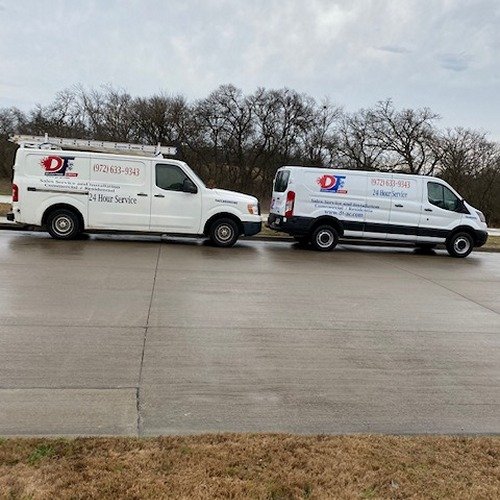
Heat Pump Repair in Plano, TX

Heat Pump Repair in Plano, TX

Why Choose DT for Your Heat Pump Repair Needs?

When it comes to heat pump repair, choosing the right service provider is essential to ensure the longevity and efficiency of your system. Here's why you should trust DT Air Conditioning & Heating for all your heat pump repair needs:

Expertise and Experience: Our team consists of highly trained technicians with extensive experience in diagnosing and repairing heat pump systems of all makes and models. We stay up-to-date with the latest industry advancements to deliver cutting-edge solutions that meet your specific requirements.

Reliable Service: At DT Air Conditioning & Heating, we understand the inconvenience of a malfunctioning heat pump. That's why we prioritize prompt and reliable service to get your system back up and running in no time. Our technicians arrive on time, equipped with the necessary tools and expertise to tackle any repair job efficiently.

Quality Workmanship: We take pride in our commitment to quality workmanship. Whether it's a minor repair or a complex issue, we approach every job with attention to detail and precision, ensuring that your heat pump operates at peak performance.

Transparent Pricing: We believe in transparency and integrity in all our dealings. Our pricing is fair and upfront, with no hidden costs or surprises. You can trust us to provide honest recommendations and reliable solutions that fit your budget.

Customer Satisfaction: Your satisfaction is our top priority at DT Air Conditioning & Heating. We go above and beyond to exceed your expectations, delivering superior service and results that you can count on. With us, you can have peace of mind knowing that your heat pump is in capable hands.

Contact Us Now!
Thank you! Your submission has been received!
Oops! Something went wrong while submitting the form.
Heat Pump Repair in Plano, TX

Our Heat Pump Repair Services

At DT Air Conditioning & Heating, we offer a comprehensive range of heat pump repair services to address any issue you may encounter. Our services include, but are not limited to:

Diagnosis and Troubleshooting: If your heat pump is not functioning properly, our technicians will conduct a thorough diagnosis to identify the root cause of the problem. From unusual noises to poor heating performance, we have the expertise to pinpoint issues accurately.

Component Replacement and Repair: Whether it's a faulty compressor, a damaged fan motor, or a malfunctioning thermostat, we have the skills and resources to repair or replace any component of your heat pump system. We use high-quality parts and materials to ensure lasting results.

Refrigerant Recharge and Leak Repair: Low refrigerant levels or leaks can compromise the efficiency and performance of your heat pump. Our technicians are trained to detect and repair refrigerant leaks, ensuring optimal refrigerant levels for efficient operation.

Electrical System Inspection and Repair: Electrical issues can cause your heat pump to malfunction or fail altogether. Our technicians conduct thorough inspections of the electrical components, wiring, and connections to identify and address any issues promptly.

Regular Maintenance and Tune-Ups: To prevent costly repairs and prolong the lifespan of your heat pump, we recommend scheduling regular maintenance and tune-ups. Our comprehensive maintenance services include cleaning, lubrication, inspection, and adjustment of all vital components to keep your system running smoothly.

Furnace Tune-Up Checklist for Better Heating Efficiency

Homeowners often ask what “maintenance” actually includes. While every system is a little different, a high-quality furnace tune-up commonly focuses on:

Airflow and filtration (the efficiency foundation)

  • Inspect filter type and condition
  • Confirm airflow isn’t restricted (dirty filter, blocked returns, closed vents)
  • Check blower compartment and components for dust buildup

A clogged filter is one of the most common causes of reduced airflow and efficiency, which is why regular furnace maintenance is essential. ENERGY STAR guidance is frequently summarized as changing filters at least every 90 days (and more often in heavier-use situations).

Controls, operation, and performance

  • Confirm safe start-up and shut-down
  • Verify thermostat communication and correct furnace response
  • Check temperature rise and general performance indicators


Safety checks (especially for gas furnaces)

  • Inspect safety controls
  • Look for conditions that could indicate combustion or venting concerns

This is one reason many experts still recommend servicing before heavy winter use—maintenance helps reduce the chance of mid-season breakdowns and safety-related issues.

Most furnaces benefit from professional service once per year, ideally before heating season. Annual maintenance is widely recommended to support efficiency, reduce breakdown risk, and help your system run as designed.

In North Texas, a practical approach is:

  • Early fall: best time for a pre-season tune-up (before cold snaps and before schedules fill up)
  • Anytime you notice warning signs: don’t wait—small problems can turn into “no heat” calls quickly during a cold front

How Often Should You Schedule Furnace Maintenance in Plano, TX?

How Often Should You Change Your Furnace Filter?

There isn’t one schedule that fits every home, but these general guidelines are common:

  • Every 1–3 months is a typical range for many households, and many guides emphasize checking more frequently during peak heating/cooling use.

What changes the timeline?

  • Pets
  • Allergies or sensitive indoor air quality needs
  • Renovations / dust
  • Filter thickness and efficiency rating
  • How often your system runs

DIY Furnace Maintenance Tips Homeowners Can Do Safely

Pro tip from our team: Put a recurring reminder on your phone to check the filter monthly. If it looks loaded, replace it—even if it hasn’t hit your “usual” interval.

You can absolutely handle several safe, high-impact steps between professional visits. Here are our go-to homeowner-friendly actions:

1) Replace the filter (or clean it, if it’s washable)

  • Turn the system off first
  • Install the filter in the correct airflow direction
  • Use the right size—gaps let dust bypass the filter and collect inside the system


2) Keep vents and returns open and unobstructed

  • Make sure rugs, curtains, and furniture aren’t blocking airflow
  • Don’t close too many vents—this can create airflow imbalance and reduce comfort

3) Keep the area around your furnace clean

  • Reduce dust and storage around the unit
  • If your furnace is in a closet or utility area, keep it tidy and accessible

4) Use smart thermostat habits for efficient heating

  • Avoid dramatic swings (like jumping from 66 to 74 repeatedly)
  • Try a steady schedule that matches your routine

Signs Your furnace Needs Maintenance (or repair) now

If you notice any of the following, your system may be overdue for service:

  • Uneven heating (some rooms warm, others chilly)
  • Short cycling (turning on and off frequently)
  • New noises (rattling, squealing, booming, buzzing)
  • Unusual odors that persist
  • Rising energy bills without a clear reason
  • Weak airflow from vents

Many HVAC resources emphasize that ignoring maintenance can lead to breakdowns, higher repair costs, and safety concerns—especially when issues show up right before peak winter demand.

If you’re in Plano and your furnace is showing these symptoms, it’s smart to have it checked before a small issue becomes a full system shutdown.

How Maintenance Improves Heating Efficiency and Lowers Energy Waste

Efficient heating is mostly about reducing waste—wasted airflow, wasted run time, and wasted heat delivery.

Here’s how maintenance directly supports efficiency:

  • Clean airflow path = less strain. Filters and airflow restrictions force the system to work harder to move warm air.
  • Proper operation = fewer cycles. A furnace that short cycles wastes energy and wears faster.
  • Early fixes prevent “efficiency killers.” Small mechanical or control issues can quietly reduce performance long before the furnace fails.

Furnace manufacturers and HVAC educators commonly note that maintenance helps extend equipment life and supports efficient operation.

The Best Time to Schedule Furnace Maintenance in Plano, TX

For most Plano homeowners, fall is the sweet spot—before cold snaps, before the busy season, and while your system can be tuned for peak winter performance. Guidance targeted to the Plano area also reinforces that pre-winter service reduces the odds of emergency calls during the coldest days.

That said, the “best” time is also:

  • Right after you move into a new home (so you know what you have)
  • If the system has been sitting unused
  • Any time you notice the warning signs above

 Why Plano Homeowners Choose DT Air Conditioning & Heating for Furnace Care

We’re not a pop-up contractor. DT Air Conditioning & Heating is a family-owned company that’s served Plano, Allen, and surrounding DFW communities for over 20 years, and we focus on doing work the right way—clear options, honest recommendations, and quality service.

When we perform furnace maintenance in Plano, TX, we’re aiming for a specific result:

  • Safe operation
  • Reliable starts and steady heat
  • Efficient airflow and comfort
  • Fewer surprises when the next cold front hits

Frequently Asked Questions (FAQ’s)

What does furnace maintenance include?

Furnace maintenance typically includes inspection, cleaning, and testing of key components—especially airflow, controls, and safety-related operation—so your system runs efficiently and reliably.

Is furnace maintenance really worth it if my system seems fine?

In many cases, yes. Maintenance is designed to catch early wear, support efficiency, and reduce the risk of surprise breakdowns during high-demand periods.

How often should I schedule a furnace tune-up?

A common recommendation is once per year, ideally before heating season. Older systems or high-use homes may benefit from more frequent check-ins.

How often should I change my furnace filter?

Many households do well checking monthly and replacing within a 1–3 month range, but the right interval depends on pets, dust, allergies, and filter type. ENERGY STAR guidance is often summarized as changing HVAC filters at least every 90 days (and more often in peak season).

What are the biggest warning signs I need furnace service?

Uneven heating, frequent cycling, strange noises, unusual odors that persist, weak airflow, or unexplained bill increases are all signs your furnace should be checked.