
%20(2).svg)

Furnace Maintenance Tips for Efficient Heating in Plano, TX
Plano winters may not last long, but when a cold front hits, you need dependable heat—without surprise breakdowns, uneven room temperatures, or a spike in energy bills. That’s exactly why we recommend proactive care instead of waiting for your furnace to “tell you” it’s in trouble.
As a family-owned HVAC contractor in Plano, TX, serving the DFW area since 2002, we’ve seen a consistent pattern: the furnaces that run the quietest, safest, and most efficiently are the ones maintained on purpose—not by accident.
Furnace Maintenance Tips for Efficient Heating in Plano, TX
If you want efficient heating in Plano, TX, focus on these proven furnace maintenance basics:
- Change the air filter on a schedule (often every 1–3 months, depending on your home and filter type).
- Keep supply vents and return grilles unobstructed for steady airflow.
- Set a consistent thermostat schedule and avoid frequent, large temperature swings.
- Watch for early warning signs (new noises, short cycling, uneven heat, odd odors).
- Schedule a professional furnace tune-up annually—ideally before peak heating season.
Want the “why” behind each tip (and what we check during a tune-up)? Keep reading—we’ll break it down step-by-step.
Keep Your Furnace Airflow Clear
Proper airflow is essential for efficient furnace operation. In addition to replacing the air filter regularly, make sure furniture, rugs, curtains, and other household items are not blocking supply vents or return grilles. Restricted airflow can make your furnace work harder and may contribute to uneven heating throughout the home. Keeping these areas clear is a simple furnace maintenance habit that can support better comfort and system performance during Plano's colder weather.
Check Your Thermostat and Heating Settings
Your thermostat plays an important role in how your furnace operates. Check that it is reading the indoor temperature accurately and that the heating mode is working properly before you need your furnace regularly. A programmable or smart thermostat can also help maintain a consistent heating schedule while avoiding unnecessary temperature adjustments. If your furnace runs continuously or your home struggles to reach the desired temperature, the issue may require professional inspection rather than simply adjusting the thermostat.


Why Furnace Maintenance Matters for Efficient Heating in Plano, TX
Furnace maintenance isn’t just a “nice-to-have.” It’s a practical way to protect three things at once:
- Efficiency: A furnace that breathes properly (clean filter + correct airflow) doesn’t have to work as hard.
- Reliability: Small issues get caught early, before they become emergency repairs.
- Safety: Gas furnaces especially must be checked to help reduce risks like unsafe combustion conditions.
Industry guidance consistently frames furnace maintenance as proactive inspection, cleaning, and tuning to keep performance safe and efficient.
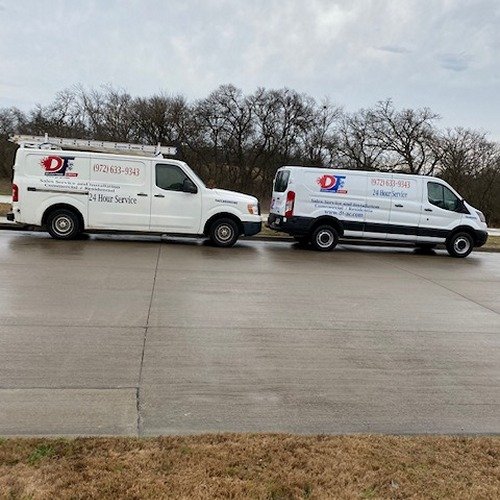
At DT Air Conditioning & Heating, we provide furnace maintenance in Plano with the goal of keeping your system efficient, dependable, and ready for changing Texas weather.
Pay Attention to Furnace Warning Signs
Small changes in furnace operation should not be ignored. Unusual rattling, banging, squealing, frequent cycling, weak airflow, unusual odors, or rooms that remain noticeably colder than others can indicate that your heating system needs attention. Identifying these warning signs early can give you an opportunity to address developing problems before they result in a larger repair or an unexpected loss of heat. If you notice a significant change in how your furnace operates, a professional evaluation can help determine the cause.
Schedule Professional Furnace Maintenance for Reliable Heating
Professional furnace maintenance plays an important role in keeping your heating system operating safely, efficiently, and reliably throughout the season. A qualified HVAC technician can thoroughly inspect critical components, test safety controls, evaluate electrical connections, check airflow, and identify signs of wear or potential performance issues. Regular professional service can help detect developing concerns before they lead to unexpected breakdowns or reduced heating performance.
For homeowners in Plano, TX, scheduling routine furnace maintenance is a proactive way to support consistent indoor comfort, improve system reliability, and protect the long-term performance of the heating equipment.
Frequently Asked Questions
1. How often should I change my furnace air filter?
Many filters should be replaced approximately every 1–3 months, but the appropriate schedule depends on the filter type, household conditions, pets, indoor air quality, and furnace usage. Checking the filter regularly can help you determine when it needs to be replaced.
2. What are the most important furnace maintenance tasks homeowners can do?
Homeowners can regularly replace or clean the appropriate air filter, keep vents and return grilles clear, check thermostat operation, and pay attention to unusual noises, odors, or changes in heating performance. These simple steps can help support proper airflow and identify potential problems early.
3. Why is professional furnace maintenance important?
Professional maintenance allows an HVAC technician to inspect and test components that homeowners generally cannot safely evaluate themselves. A tune-up can include checking electrical connections, safety controls, burners, airflow, and other components to help ensure the furnace is operating properly.
4. What should I do if my furnace is making unusual noises?
Turn your attention to the type and frequency of the noise. Rattling, banging, squealing, grinding, or other unfamiliar sounds may indicate a loose, worn, or malfunctioning component. If the noise persists or is accompanied by poor heating or other performance issues, professional furnace service is recommended.
5. When is the best time to schedule furnace maintenance in Plano?
Scheduling professional furnace maintenance before the heating season is generally a good approach. An early tune-up gives you an opportunity to address potential issues before colder temperatures arrive and your furnace is operating more frequently.