
%20(2).svg)

How to Tell if Your Furnace Needs Repair in Plano, TX
A furnace problem rarely starts as a total shutdown. Most of the time, it begins with small warning signs—odd noises, uneven heat, frequent cycling, or energy bills that keep creeping up. If you’ve been wondering how to tell if your furnace needs repair in Plano, TX, you’re in the right place.
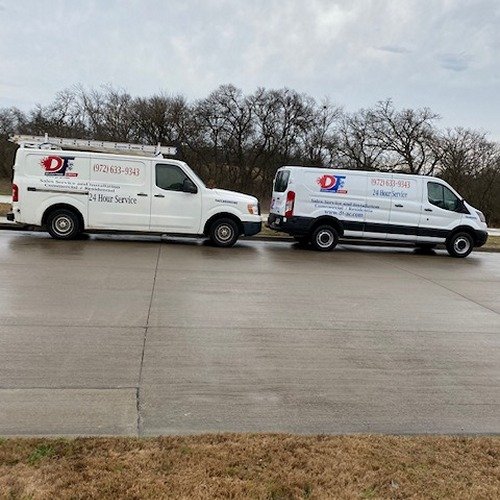
At DT Air Conditioning & Heating, we help Plano homeowners spot issues early, fix them correctly, and avoid the stress (and cost) of a breakdown when the temperature drops. We’ve served the Plano area for years as a local HVAC company, and we know how quickly “minor” furnace symptoms can turn into a no-heat emergency.
How Do You Know If Your Furnace Needs Repairs in Plano, TX?
You can usually tell your furnace needs repair if you notice uneven heating, strange noises, frequent on-and-off cycling (short cycling), weak airflow, burning or unusual odors, a pilot light that looks yellow instead of steady blue (gas furnaces), rising utility bills, or trouble starting and staying on. If any symptom repeats—or you suspect a safety issue—schedule a professional inspection right away.
Pay Attention to Changes in Furnace Performance
A furnace does not always stop working completely when it needs professional attention. In many cases, the first signs are subtle changes in performance, such as longer heating cycles, inconsistent temperatures, reduced airflow, or difficulty reaching the thermostat setting. These issues can indicate problems with the blower motor, thermostat, electrical components, air filter, or other parts of the heating system. Addressing these warning signs early can help prevent a minor furnace issue from developing into a more disruptive breakdown.


Why Catching Furnace Problems Early Matters in Plano, TX
Plano winters may not be extreme every day, but when a cold front moves through North Texas, your furnace has to perform reliably to avoid common furnace problems that can leave your home uncomfortable. The sooner you address warning signs, the more likely you are to:
- Prevent a complete breakdown during peak demand
- Reduce wear on expensive components (blower motor, igniter, control board)
- Improve comfort and airflow throughout your home
- Keep energy use from climbing as your system struggles to keep up
- Protect your household with safe operation, especially with gas furnaces
If you’re already seeing symptoms, our team provides professional furnace repair in Plano, TX and can help you decide the smartest next step.
Keep Your Furnace Reliable Throughout the Heating Season
Regular attention to your furnace can help keep your home comfortable when temperatures drop in Plano, TX. Replacing dirty air filters, keeping supply and return vents unobstructed, and scheduling professional maintenance can support proper airflow and system performance. If you notice unusual sounds, repeated cycling, strange odors, or inconsistent heating despite these basic steps, it is best to have the system inspected by an experienced HVAC professional. Prompt furnace repair can help restore reliable operation and reduce the risk of unexpected heating problems.
Frequently Asked Questions
1. What are the most common signs that a furnace needs repair?
Common warning signs include strange noises, weak airflow, uneven heating, frequent cycling, unusual odors, difficulty starting, and rising energy usage. If these symptoms continue or become more noticeable, a professional furnace inspection can help identify the underlying problem.
2. Why does my furnace keep turning on and off?
Frequent cycling can be caused by a dirty filter, airflow restriction, thermostat issue, overheating, or a malfunctioning furnace component. A qualified HVAC technician can determine why the system is short cycling and recommend the appropriate repair.
3. Is a yellow pilot light a sign of a furnace problem?
Yes. A healthy gas furnace pilot flame is generally steady and blue. A yellow or abnormal flame can indicate a combustion or ventilation issue and should be inspected by a qualified professional because proper furnace operation is important for household safety.
4. Can weak airflow indicate that my furnace needs repair?
Yes. Weak airflow may result from a clogged air filter, blocked ductwork, blower motor problems, or other mechanical issues. Having the system inspected can help determine whether the problem is with the furnace, ductwork, or airflow system.
5. When should I call a professional for furnace repair?
You should contact an HVAC professional when furnace problems are recurring, affecting indoor comfort, causing unusual noises or odors, or preventing the system from operating normally. For suspected gas or other safety-related issues, turn the furnace off and seek professional assistance promptly.