
%20(2).svg)

Common Furnace Problems and How to Prevent Them in Plano, TX
Cold spots. A furnace that cycles on and off all night. Rising utility bills right when North Texas finally gets a real cold snap. If you’re dealing with any of these, you’re not alone—most heating calls we see at DT Air Conditioning & Heating in Plano, TX come down to a handful of repeat furnace issues that are often preventable with the right habits and timely service. The most common furnace problems in Plano, TX are clogged air filters, thermostat issues, ignition/flame-sensing failures, short cycling, airflow restrictions, unusual noises from worn parts, and overheating (often tied to airflow).
To prevent them, replace or clean filters regularly, keep supply/return vents unblocked, schedule annual professional maintenance, test your thermostat before cold weather, and address small changes (noise, smells, cycling) early—before they turn into major repairs. Basic filter and vent care is one of the easiest ways to reduce breakdown risk.
How Regular Furnace Maintenance Helps Prevent Common Problems
Preventive furnace maintenance is one of the best ways to catch small issues before they develop into expensive breakdowns. During a professional tune-up, an HVAC technician can inspect critical components such as the ignition system, flame sensor, blower motor, electrical connections, thermostat, and safety controls. Replacing a dirty filter and addressing restricted airflow can also help reduce unnecessary strain on the system. For homeowners in Plano, scheduling furnace maintenance before the heating season can help ensure the system is ready to operate reliably when temperatures drop.
Improve Furnace Efficiency With Proper Airflow
Restricted airflow is another common factor behind furnace problems, including overheating, short cycling, weak airflow, and higher energy consumption. A clogged filter, blocked return vent, closed registers, or dirty ductwork can make the furnace work harder to distribute warm air throughout your home. Homeowners can help prevent these issues by checking the air filter regularly, keeping vents unobstructed, and making sure furniture or other household items are not blocking return grilles. If airflow remains weak after these basic steps, professional furnace inspection can help identify problems within the blower, ductwork, or other system components.

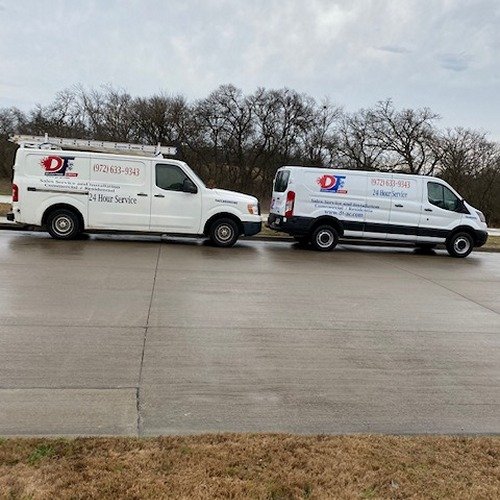

Why These Furnace Problems Show Up in Plano, TX
Plano weather can be unpredictable—mild weeks can switch to sharp temperature drops. When your furnace goes from “barely used” to “running a lot,” any small weakness (dirty filter, struggling ignitor, loose blower component) can surface fast.
A second Plano-specific factor: airflow. Homes here often run HVAC year-round, and when airflow gets restricted—by a loaded filter, blocked return, or dusty blower—furnaces can overheat, short cycle, or fail safety checks.
When Furnace Problems Require Professional Attention
While homeowners can safely handle simple preventive steps, some furnace problems should always be evaluated by a qualified HVAC professional. Gas odors, unusual combustion smells, repeated breaker trips, a yellow or abnormal burner flame, frequent short cycling, or a furnace that repeatedly shuts down can indicate a more serious issue. Attempting to repair gas lines, electrical components, ignition systems, or safety controls without the proper training can create additional risks. If your furnace is showing persistent warning signs, professional furnace repair in Plano, TX can identify the underlying cause and restore safe, dependable heating before a minor problem becomes a major breakdown.
Frequently Asked Questions
What are the most common furnace problems in Plano, TX?
Some of the most common furnace problems include dirty air filters, faulty thermostats, ignition or flame sensor issues, blower motor problems, restricted airflow, electrical component failures, and short cycling. Regular maintenance can help identify many of these issues before they result in a complete furnace breakdown.
How often should I have my furnace serviced?
For most homeowners, having the furnace professionally inspected and maintained once a year is a good preventive practice. Scheduling maintenance before the heating season gives a technician an opportunity to identify worn components, airflow restrictions, and safety concerns before the system is needed regularly.
Why does my furnace keep turning on and off?
A furnace that repeatedly starts and stops may be experiencing short cycling. Common causes include a dirty air filter, restricted airflow, thermostat problems, an improperly sized furnace, or an overheating condition. Because repeated short cycling can place additional stress on furnace components, persistent problems should be evaluated by an HVAC professional.
Can I prevent common furnace problems myself?
Yes. Homeowners can take several simple preventive steps, including replacing dirty air filters, keeping supply and return vents clear, checking thermostat settings, maintaining clear space around the furnace, and paying attention to unusual sounds or odors. Professional maintenance is still important for inspecting components that require specialized tools and training.
When should I call a furnace repair professional?
You should schedule professional furnace repair if the system stops producing heat, repeatedly shuts down, makes unusual noises, has persistent ignition problems, produces unusual odors, or cannot maintain the temperature set on the thermostat. If you notice a gas smell or another potentially dangerous condition, turn off the system if it is safe to do so and seek professional assistance rather than attempting the repair yourself.