
%20(2).svg)

Furnace Repair Rockwall, TX | Heater Installation Experts
Signs Your Furnace Needs Repair
There’s nothing worse than a furnace that stops working in the middle of a cold winter night. Identifying the early signs of furnace problems can save you money and prevent a complete breakdown. Some common signs that your furnace needs repair include:
- Inconsistent Heating: If some rooms in your home feel warmer than others, or if there are cold spots, this could indicate an issue with your furnace's distribution system.
- Strange Noises: A furnace that makes banging, rattling, or squealing noises may have a problem with the motor, blower, or another key component.
- Frequent Cycling: If your furnace turns on and off constantly, it could be due to a faulty thermostat, dirty filters, or a problem with the heat exchanger.
- Yellow or Flickering Pilot Light: The pilot light should burn blue, indicating proper combustion. A yellow or flickering light could indicate a problem with the gas line or a blocked vent.
- Higher Energy Bills: If your heating bills have spiked without any changes in your usage habits, it could mean your furnace is working inefficiently and needs repairs.
- Increased Dust or Dry Air: A malfunctioning furnace can circulate dirt and dust or dry out your air, affecting both your comfort and indoor air quality.
If you’re noticing any of these issues, don’t wait to call for professional help. A timely furnace repair can extend the life of your heating system and improve its efficiency.
The Importance of Regular Furnace Maintenance
One of the most important aspects of keeping your furnace running smoothly is regular maintenance. Just like a car requires oil changes and tune-ups, your furnace benefits from consistent inspections and cleaning to maintain its performance.
Regular furnace maintenance helps in the following ways:
- Prevents Costly Breakdowns: A well-maintained furnace is less likely to break down unexpectedly, saving you from expensive emergency repairs. Annual inspections catch small issues before they become major problems.
- Improves Efficiency: A clean furnace runs more efficiently, keeping your home warm while using less energy. This leads to lower utility bills and a more eco-friendly home.
- Extends Furnace Lifespan: Furnaces can last for 15-20 years, but only if they are maintained properly. Regular maintenance ensures that your furnace operates at its best for as long as possible.
During a maintenance visit, our technicians will check for common issues, clean essential components, and lubricate moving parts to keep your furnace running at peak efficiency. Trust us to keep your furnace in optimal condition year-round.

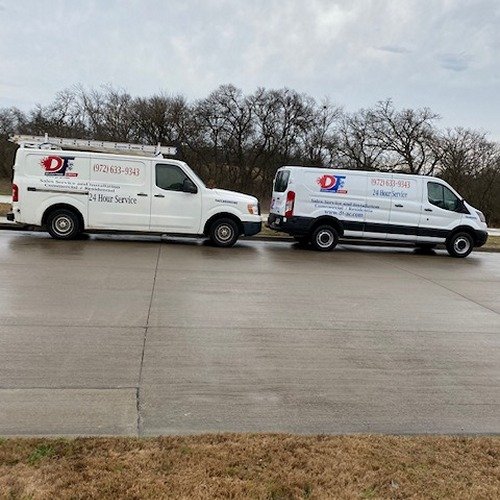

Proudly Serving Rockwall, TX with Furnace Services
DT Air Conditioning & Heating is proud to serve homeowners throughout Rockwall, TX, and the surrounding areas. Rockwall is known for its tight-knit community, beautiful Lake Ray Hubbard, and warm Texas hospitality. Whether you live near the scenic downtown square or in one of Rockwall’s charming residential neighborhoods, we are here to provide you with reliable, top-quality furnace repair and installation services.
We understand the local climate, the specific needs of homeowners in the area, and the importance of a reliable heating system during the colder months. Our team is dedicated to delivering fast, professional service with a personal touch that reflects the values of our great community.
Whether you need a simple repair, a new furnace installation, or ongoing maintenance, you can count on us to keep your home comfortable no matter what the Texas weather throws your way.
Frequently Asked Questions (FAQs)
How long does a furnace typically last?
With proper maintenance, a furnace can last between 15 and 20 years. Regular servicing can help extend its lifespan.
How can I tell if my furnace is overworking?
If your furnace runs constantly, cycles frequently, or is making unusual noises, it might be overworking. It’s best to call a professional to diagnose the problem.
Can I replace the furnace filter myself?
Yes! Replacing the furnace filter is one of the simplest maintenance tasks you can do yourself. A clean filter ensures proper airflow and efficient heating.
What should I do if my furnace stops working?
First, check the thermostat, air filter, and circuit breaker. If these aren’t the issue, it’s time to call a licensed technician for professional repair.
What are the benefits of a new furnace installation?
A new furnace provides better energy efficiency, improved indoor air quality, and greater comfort. It can also reduce your utility bills compared to an older system.